article · Kitchen & bath
Stone Shower Niche: prepare a pattern placement board
Prepare a pattern placement board for stone shower niche to address this hypothetical issue: The niche back has a feature that will be almost entirely hidden by tall shampoo bottles. The task it must support is concrete: Review shelf, back and small return pieces together to decide which faces matter from the normal showering position. A stone-lined shower niche stores shampoo bottles and joins the surrounding tiled shower wall at several small returns. The worked board should label material reference, exposed faces, obscured areas and requested feature position. Attach the professional feasible layout as a separate contribution instead of allowing the owner annotation to become an instruction to cut.
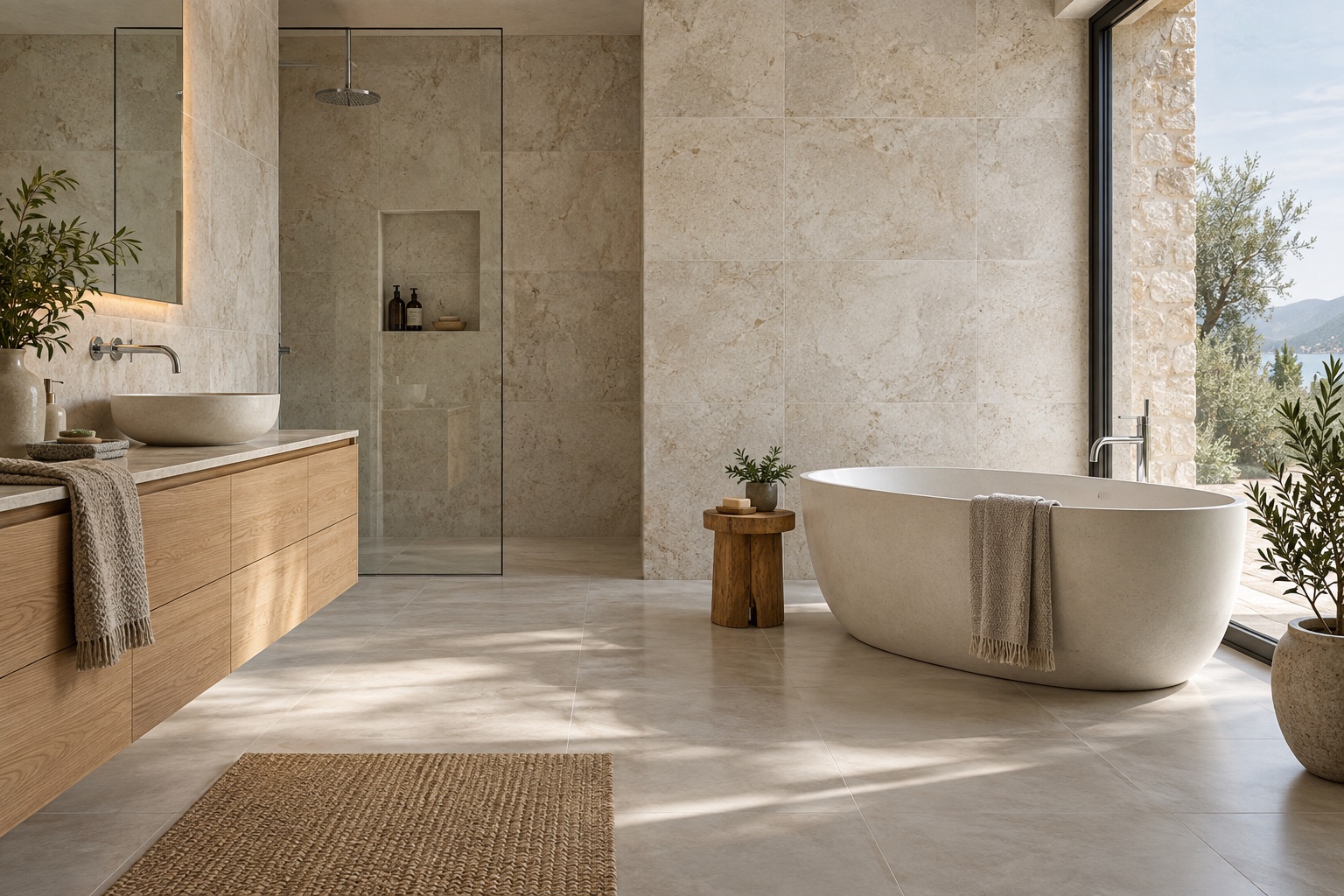
Develop the pattern placement case
Prepare a pattern placement board for stone shower niche to address this hypothetical issue: The niche back has a feature that will be almost entirely hidden by tall shampoo bottles. The task it must support is concrete: Review shelf, back and small return pieces together to decide which faces matter from the normal showering position. A stone-lined shower niche stores shampoo bottles and joins the surrounding tiled shower wall at several small returns. The worked board should label material reference, exposed faces, obscured areas and requested feature position. Attach the professional feasible layout as a separate contribution instead of allowing the owner annotation to become an instruction to cut.
Use this worked entry as a starting point, replacing its provisional answers with actual project information: Bottle heights: shown; exposed back and returns: marked; preferred shelf appearance: owner decision pending. Tall bottles hide the back's feature; the useful visual choice concerns the shelf and returns still visible when the niche performs its storage role. The record separates a desired feature from the area that daily use hides or removes. Show both on the same presentation and ask the responsible professional to explain the feasible arrangement. Keep the example's unanswered status visible and attach the relevant supplier response or review evidence, rather than turning its illustrative wording into a completed approval for this stone shower niche.
Complete a pattern placement board
For this stone shower niche record, completion has a specific test: The owner approves the faces visible in normal storage rather than relying on an empty-recess image. The Natural Stone Institute makes identification of the stone a starting point for care. Use the named material and supplier instructions to frame this decision, keeping appearance preferences and editorial coordination suggestions separate from verified product performance. Check that the visible composition reviewed by the owner corresponds to the feasible proposal. A changed object, opening or supplied material reopens the affected visual choice rather than automatically inheriting acceptance. Record who supplied the actual answer and which source document or current drawing it concerns, so the outcome can be checked independently of the person who assembled the sheet.
Handle exceptions in stone shower niche through the relevant responsibility boundary: The niche remains part of a wet assembly: the installer resolves backing, membrane compatibility and junctions instead of relying on the stone liner to stop water. Close the visual review on an understandable composition linked to the material being supplied. The record should preserve the owner's priorities and the professional's feasible proposal as different contributions. If the worked entry's pending item remains unanswered, preserve that status in the final record and name the next adviser or responsible trade. The example demonstrates documentation logic; it is not a technical certification, product warranty or receipt for completed work.
Sources
- Care and cleaning of natural stone Natural Stone Institute
- Showers: membrane and backing compatibility Tile Council of North America
- A brief guide to mold, moisture and your home United States Environmental Protection Agency