article · Kitchen & bath
Stone Shower Niche: review pattern placement
A stone-lined shower niche stores shampoo bottles and joins the surrounding tiled shower wall at several small returns. Consider this hypothetical pattern placement problem: The niche back has a feature that will be almost entirely hidden by tall shampoo bottles. Pattern planning asks which parts of the material will remain visible after the room is occupied. The conflict in this exercise concerns a real face or obstruction, so compare the annotated layout with the available material instead of rewarding the most dramatic uncut sample.
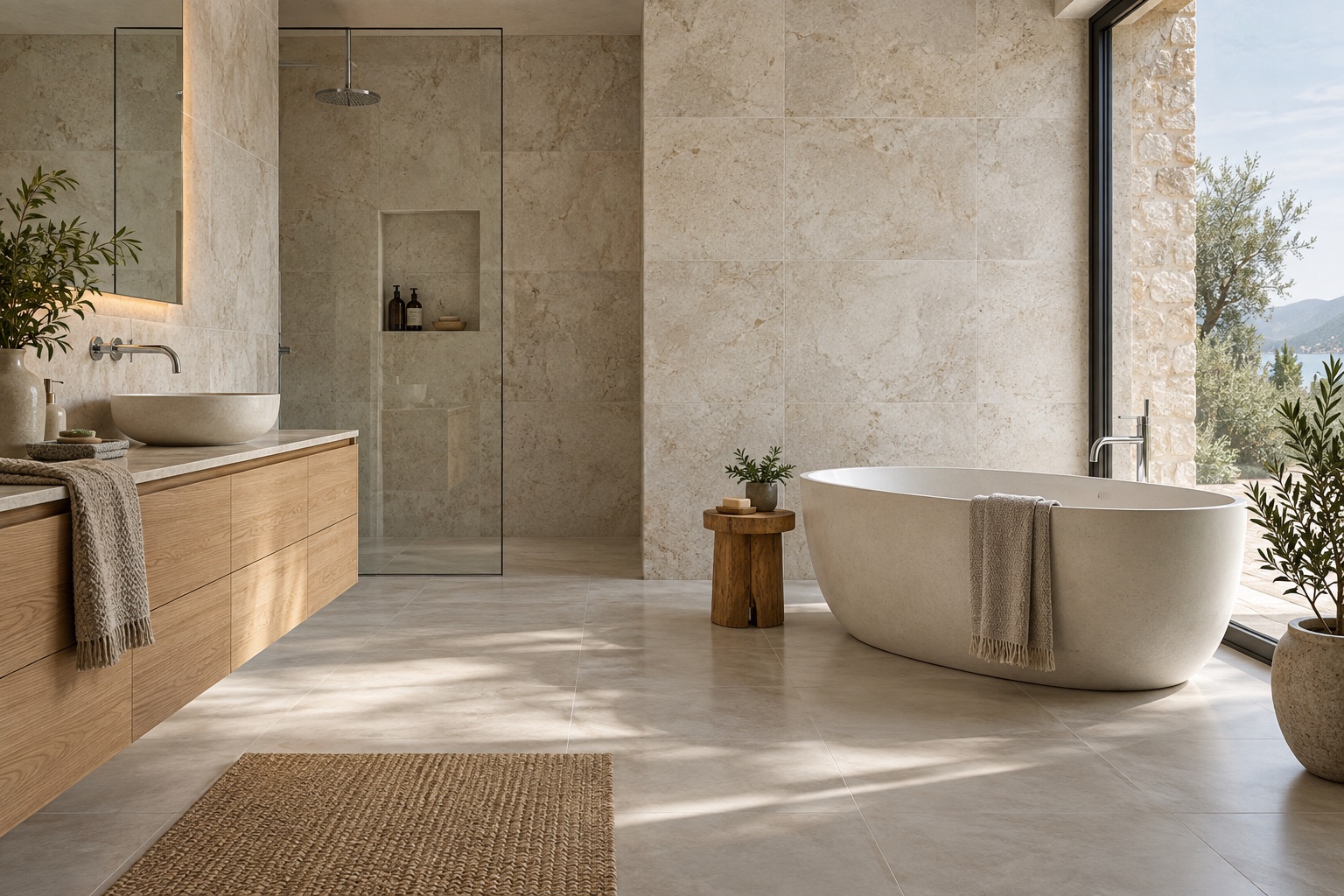
Develop the pattern placement case
A stone-lined shower niche stores shampoo bottles and joins the surrounding tiled shower wall at several small returns. Consider this hypothetical pattern placement problem: The niche back has a feature that will be almost entirely hidden by tall shampoo bottles. Pattern planning asks which parts of the material will remain visible after the room is occupied. The conflict in this exercise concerns a real face or obstruction, so compare the annotated layout with the available material instead of rewarding the most dramatic uncut sample.
A worked pattern placement board for stone shower niche could begin with these explicitly provisional entries: Bottle heights: shown; exposed back and returns: marked; preferred shelf appearance: owner decision pending. The Natural Stone Institute makes identification of the stone a starting point for care. Use the named material and supplier instructions to frame this decision, keeping appearance preferences and editorial coordination suggestions separate from verified product performance. The record separates a desired feature from the area that daily use hides or removes. Show both on the same presentation and ask the responsible professional to explain the feasible arrangement.
Complete a pattern placement board
The focused task for this stone shower niche decision is: Review shelf, back and small return pieces together to decide which faces matter from the normal showering position. In this example, the completion or exception condition is specific: The owner approves the faces visible in normal storage rather than relying on an empty-recess image. Tall bottles hide the back's feature; the useful visual choice concerns the shelf and returns still visible when the niche performs its storage role. Use the stated task to request a revised visual proposal, with the affected area clearly marked. If the preferred feature cannot remain visible as imagined, ask whether another composition is acceptable before committing to material use.
Apply the decision to the actual responsibility boundary for stone shower niche: The niche remains part of a wet assembly: the installer resolves backing, membrane compatibility and junctions instead of relying on the stone liner to stop water. Close the visual review on an understandable composition linked to the material being supplied. The record should preserve the owner's priorities and the professional's feasible proposal as different contributions. The example remains an editorial exercise; its provisional entries are prompts to obtain real project answers, rather than claims about an installed job or a supplied product.
Sources
- Care and cleaning of natural stone Natural Stone Institute
- Showers: membrane and backing compatibility Tile Council of North America
- A brief guide to mold, moisture and your home United States Environmental Protection Agency